
In short
- Minimum fleet sizes vary between insurers.
- Check who can drive each van.
- Each van needs the right class of use.
- Confirm cover before a new van goes out.
How does fleet van insurance work?
Fleet van insurance can bring several business vans together on one policy. Many insurers treat a few vans as a fleet or offer multi-vehicle cover, but the minimum number varies.
When do a few vans become a fleet?
There isn't a minimum used by every insurer. Ask what number of vans qualifies and which vehicles can be included.
A plumber expanding from working alone to running vans for employees could ask about fleet cover.
Write down every van’s registration, use and usual driver. This helps the specialist understand how your business operates.
Fleet insurance or separate policies?
One fleet policy
Several vans sit under one insurance contract.
Separate policies
Each van has its own documents and renewal date.
A fleet policy groups vans together. Separate policies give each van its own insurance contract, with its own documents and renewal date.
Fleet cover may make administration easier, but check how renewals work and what each van's cover includes. Don't assume grouping vans will cost less.
Look at the same vans, drivers and uses when weighing up the options. Ask:
- What level of cover applies to each van?
- Who can drive each vehicle, and what restrictions apply?
- What compulsory and voluntary excess would you pay for a claim?
- How are vehicle changes handled, including any charges?
- How could a claim affect the fleet at renewal?
You can start an enquiry about your vans through Vancova. A van insurance specialist will get in touch with your quote and explain the cover.
Any driver or named drivers?
| Driver option | How it works | What to check |
|---|---|---|
| Any driver | Different people can drive, subject to the policy conditions. | Minimum age, driving experience and other restrictions. |
| Named drivers | The policy lists each driver. | Which vans each person can drive. Tell the insurer before a new driver starts. |
Any driver cover does not mean anyone can take the keys. Check every driver against the actual policy conditions.
For named driver cover, keep the list up to date. Confirm which vans each named person is allowed to drive.
A florist whose staff swap vans for shop collections could ask about any driver terms. If the same people always drive the same vans, named driver terms may be worth discussing.
Check seasonal staff and younger drivers against the actual conditions.
Check what each van is used for
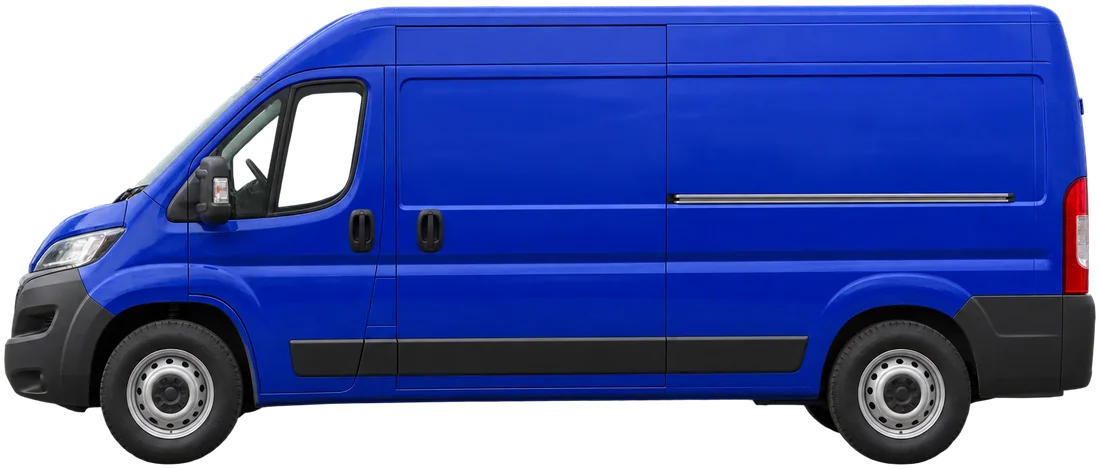
A fleet policy still needs to reflect the work each van does. A plumber carrying their own tools and materials needs business use, often called carriage of own goods. That class of use doesn't itself insure the tools.
A parcel courier carrying other people's goods for payment needs hire and reward use, also sold as courier cover.
See our guide to courier van insurance for the distinction between the van and its load.
A florist selling and delivering their own stock should ask the insurer how that work is classified. Describe the actual journeys.
Our guide to van insurance classes of use explains the categories.
Check the level of cover too. Third party is the legal minimum and doesn't pay to repair your own van. Comprehensive cover can also include damage to your van. Personal use needs checking on the certificate.
Adding and removing vans
- Before collection. Tell the insurer about the new van and confirm when cover starts.
- Before driving. Get confirmation that the van and its driver are covered.
- When it leaves. Confirm the removal date and any premium adjustment or charge.
- After a change. Keep the updated vehicle list with your policy documents.
Ask how to report a new van before collecting it. Have its registration, value, use, overnight parking and driver details ready. Declare changes from its original specification, including racking, roof bars and signwriting.
Check when cover starts and get confirmation before anyone drives it. Ask what happens if you need a hired van while another is being repaired. Don't assume temporary vehicles are included.
When selling or returning a van, confirm the removal date with the insurer. Ask about any premium adjustment or charge. If this takes you below the insurer's minimum fleet size, check what happens to the policy.
Keep the updated vehicle list with your policy documents.
A parked van still needs an insurance check. In Great Britain, a registered keeper must keep it insured unless it is kept off the road with a SORN, subject to legal exceptions.
Confirm cover before anyone drives a new van.
Driver checks before handing over the keys
Check each driver's licence entitlement for the van they'll drive, including its weight. Check their experience and motoring convictions against the policy terms too.
Keep a driver list and a record of checks. Repeat licence checks regularly and ask drivers to report changes. Include agency and temporary drivers in your process.
Make sure new drivers can handle the van safely, especially if it's larger than vehicles they're used to. Provide training where needed.
Explore the factors that can affect a van insurance premium.
Claims history and no claims discount
Insurers often ask for the fleet's claims history. Request the record from your current insurer and check it before passing it on. Have claim dates and details ready, including any claims still open.
If you're bringing separately insured vans together, gather the documents for each policy. Ask how existing no claims discounts would be treated. Don't assume an individual van's discount transfers to a fleet policy.
No claims discount often can't be used on two vehicles at once. Our guide to van no claims bonus explains proof requirements and how claims can affect it.
Employers' liability and other cover
Employers' liability insurance is a legal requirement if you employ staff, with some exceptions. It is separate from standard van insurance.
It can help meet compensation costs if an employee becomes ill or is injured because of their work. Check GOV.UK's employers' liability guidance for the rules.
Public liability and goods in transit cover are also separate. Tools in transit cover is usually an add-on or separate policy. Check item limits, total limits and conditions for tools left in vans overnight.
Your responsibility to keep vans safe
As an employer, you need to manage vehicle safety as well as insurance. Give someone responsibility for maintenance and make sure drivers know how to report faults.
- Carry out daily walkaround checks and record defects.
- Fix major defects before sending a van out.
- Keep servicing and repair records, and track MOT and tax dates.
- Check loads stay within the van's weight limits.
GOV.UK's guidance on running a fleet of vans covers vehicle checks and driver responsibilities. Keep renewal dates in your records too.
Policies don't always renew automatically.
Getting a fleet quote through Vancova
Have your vehicle list, driver details, claims records and desired start date ready when you complete the quote enquiry form.
A van insurance specialist will get in touch with your quote. The FCA-authorised specialist explains the cover, gives any advice and arranges any policy you choose.
This guide gives general information.
Sending an enquiry does not start cover. Insurance only starts when a policy is in place and its start date and time have been reached.
Common questions about fleet van insurance
Can a small business get fleet cover?
Many insurers offer fleet or multi-vehicle policies for a few vans. The minimum number varies, so ask about your current vehicles and any you expect to add.
Does any driver cover include younger staff?
It may, depending on age and experience conditions. Check the terms before a younger employee drives. Being on your payroll doesn't automatically mean they're insured.
Does fleet insurance cover tools and deliveries?
Check each part separately. The van needs the correct class of use. Tools and goods in transit often need additional cover, with their own limits and conditions.
This guide is general information. Ask the specialist to explain your cover and check the policy terms.
Start your van insurance quote
Start with your reg. A van insurance specialist gets in touch with your quote and explains the cover.
Get a quote