
In short
- Personal use covers shopping, family visits and leisure trips.
- Commuting needs to be included separately.
- Declare modifications, including camper conversions.
- Check the journeys allowed before you drive.
What counts as personal van use?
A van can be part of everyday life. The weekly shop, taking your own things to the tip and moving boxes to a new home can all be personal journeys. What matters is the reason for the trip.
Personal driving usually falls under social, domestic and pleasure use. Taking camping gear away, carrying a child's bike to a trail or collecting supplies for a home project can fit this description.
Household errands
Shopping, tip runs and moving your own furniture.
Family visits
Trips to see relatives or friends.
Time outdoors
Bikes, camping gear and weekend hobbies.
Moving your own furniture is different from being paid to deliver someone else's belongings. Tell the specialist about any journeys outside your normal routine, even if they happen only occasionally.
Our guide to van insurance classes of use explains the usual descriptions. Insurers' names vary. Check the permitted uses on your certificate of motor insurance.
Does personal use include driving to work?
Social, domestic and pleasure use doesn't include commuting. Travel to one regular workplace needs commuting included. Carrying no tools or work equipment doesn't turn that drive into a personal journey.
| Journey | Use to check |
|---|---|
| Shopping or visiting family | Social, domestic and pleasure |
| Driving to the same office | Commuting |
| Visiting clients or different work sites | Business use |
| Delivering someone else's goods for payment | Hire and reward |
Even one business trip means you need business cover. It doesn't depend on which use accounts for most of your mileage. Collecting stock for a business or visiting customers needs to be included.
Your cover needs to match every journey, including occasional work trips.
Choose personal driving in the quote form if that describes your use. Tell the specialist about commuting or work too. They can confirm whether cover is available for your van and journeys.
What changes when you move from a car to a van?
A van isn't a car for insurance purposes, even if it replaces your family car. Give the specialist the van's details and explain how you use it. Your previous car policy's terms don't automatically carry over.
The same applies to no claims discount. Some insurers accept a car discount on a van; others don't. Keep your proof and check acceptance before relying on it in a quote.
What if you're keeping the car?
A no claims discount often can't be used on two vehicles at once. Ask how moving it to the van would affect the car policy and its price.
Our guide to van no claims bonus explains proof, transfers and the checks to make before using an existing discount.
What should you declare about a camper project?
If you're converting the van into a camper, describe the work already done and anything planned. Using it only for your own holidays doesn't remove the need to declare modifications.
- Declare changes from the van's original specification.
- Mention roof bars and different wheels, even if they seem minor.
- Tell the insurer about changes made after the policy starts.
- Ask what happens when the next stage of a conversion is finished.
Describe what you've fitted or altered if you're unsure what to call it. When you start your quote enquiry, explain the van's current condition and any further work you expect to do.
Which level of cover should you check?
Personal use describes your journeys. The level of cover describes what the policy can pay for if the van is damaged or stolen. You need to check both.
| Level | What it can cover | Key limit |
|---|---|---|
| Third party only | Damage or injury to other people, vehicles, animals or property | No repairs to your own van |
| Third party, fire and theft | Third party claims, plus fire and theft affecting your van | Generally no accidental damage to your van |
| Comprehensive | Third party, fire and theft, plus damage to your own van | Policy terms and exclusions still apply |
How much mileage should you allow?
Include family visits, household errands and longer trips. A weekend away can add miles beyond your usual routine. Base the estimate on the journeys you expect to make throughout the year.
Use the mileage calculator to work through your regular and occasional journeys.
What else should you check about cover?
Read our guide to the types of van insurance cover. Check exclusions, security conditions and the excess. A claim may involve both compulsory and voluntary excesses.
Are the things in the back covered?
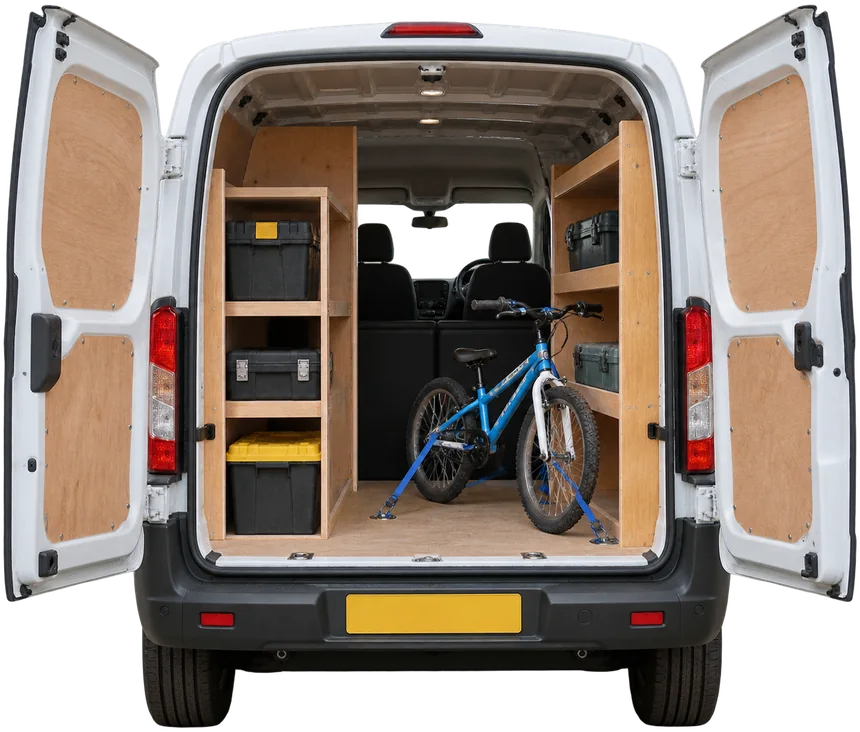
A bike in the back and the van around it are different things to insure. Tell the specialist what belongings you carry. Ask what's included, what needs separate cover and which limits apply.
What else could affect the price?
The van's make, model, age and value can affect the premium. Its drivers and annual mileage matter too. Give accurate details so the insurer can assess how the van is used.
Cover level
Comprehensive can sometimes cost less than a lower level.
Voluntary excess
A higher amount may lower the premium but increases your share of a claim.
Payment method
Annual payment may cost less if monthly instalments include interest.
Our guide to how to lower your van insurance premium explains these choices. Weigh any saving against the cover and the total excess you could owe.
What details should you have ready?
- Identify the van. Have its registration, or its make and model if you don't know the registration.
- List the drivers. Include licence details, test dates, occupations and any other drivers.
- Describe the driving. Note annual mileage, overnight parking and every type of journey.
- Check your records. Gather claim and conviction dates, no claims proof and your preferred start date.
Start with Vancova's van insurance quote form. An FCA-authorised van insurance specialist provides your quote, explains cover, gives any advice and arranges any policy you choose.
You pay Vancova nothing to use the service. This guide gives general information. The specialist can answer questions about cover for your own circumstances.
When does your insurance start?
A quote alone doesn't put cover in place. Insurance starts only when a policy is in place and its agreed start date and time have arrived. Check the certificate before driving.
What should the certificate show?
Check the van, drivers, permitted uses and start date and time. If you've discussed commuting, a conversion or occasional work, make sure the documents reflect what was agreed.
Ask the specialist to explain anything unclear before relying on the cover. Keep the documents so you can check them again if your driving or van changes.
This guide is general information. Ask the specialist to explain your cover and check the policy terms.
Start your van insurance quote
Start with your reg. A van insurance specialist gets in touch with your quote and explains the cover.
Get a quote